

Introduction
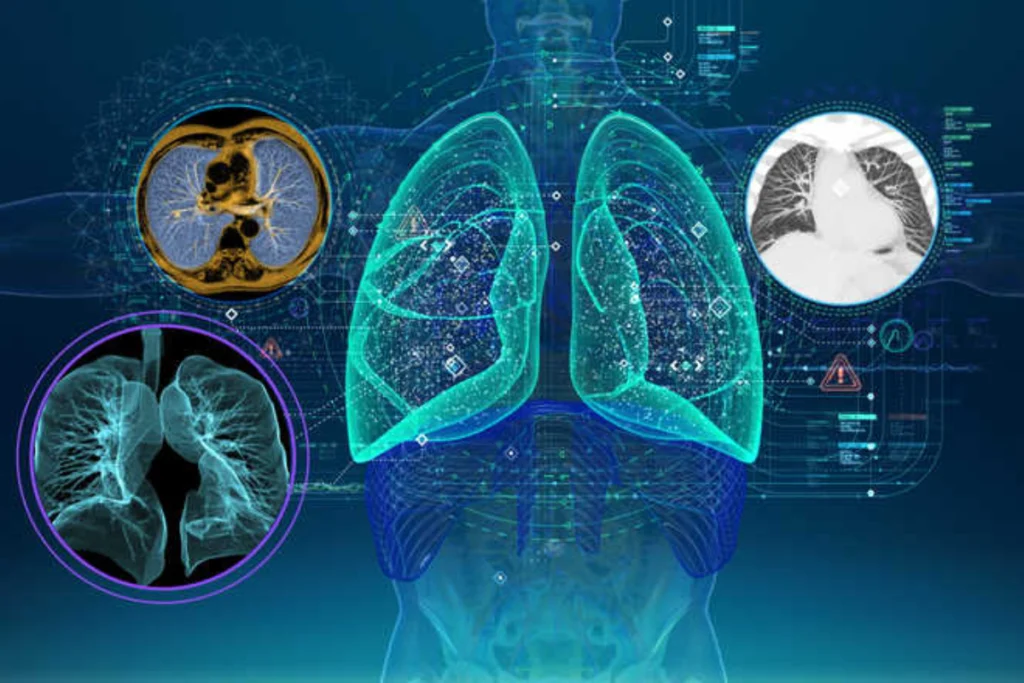
The National Health Service (NHS) wants care that is more personal, preventive, and efficient. A digital twin is a virtual model of a patient that updates as new data arrive. With AI, this model can predict risks, test “what‑if” treatment options, and support better decisions. Recent work on UK cardiovascular care shows how a twin can combine electronic health records, imaging, lab results, and wearable data through standards such as HL7 FHIR, while following UK rules on safety, privacy, and evidence (Dar, Asif and Ahmed, n.d.; Dar, n.d.).
Why a digital twin helps
Current pathways often react after a problem appears. A twin lets teams act earlier. For heart failure, a twin can estimate the chance of readmission next month based on ejection fraction, blood tests, medicines, and recent activity levels. For atrial fibrillation, a twin can simulate different ablation plans on a patient‑specific heart model to guide strategy. These uses match NHS priorities: fewer admissions, shorter waits, and better patient experience (NHS England, 2019; NICE, 2022).
System architecture in simple terms
A practical twin has five layers:
1) Data ingestion: pull EHR, imaging, labs, wearables, and medication data using FHIR APIs and imaging gateways.
2) Harmonisation: map codes to SNOMED CT and LOINC; align timelines; fix obvious data quality issues.
3) Twin core: combine biophysical models (e.g., electrophysiology) with AI models (e.g., risk of readmission). Update the twin as new data arrive.
4) Decision support: show risks, simulate options, and explain drivers in a simple dashboard inside existing NHS systems. Provide patient‑friendly views in the NHS App.
5) Governance and deployment: apply privacy by design, encryption, audit trails, monitoring (MLOps), and a documented safety case aligned with MHRA guidance (Dar, Asif and Ahmed, n.d.).
Clinical use cases
- Heart failure: personalised risk scores, medicine titration planning, and alerts for early deterioration based on remote monitoring data.
- Atrial fibrillation: patient‑specific models to plan ablation lines, estimate success probability, and reduce repeat procedures.
- Population insight: aggregates of many twins can help Trusts plan capacity while keeping individual data protected (Dar, n.d.).
Evidence and evaluation
For the NHS to adopt a twin, evidence must cover four areas:
- Technical: discrimination (e.g., AUROC), calibration, simulation accuracy, and robustness by age, sex, and ethnicity.
- Clinical: outcomes such as 30‑day readmissions, stroke prevention, and time‑to‑treatment.
- Economic: cost per quality‑adjusted life year (QALY) and direct savings from fewer admissions.
- Ethics and governance: fairness audits, explainability, consent, and full compliance with UK GDPR and HRA guidance (NICE, 2022; MHRA, 2021).
Interoperability and real‑world rollout
Digital maturity varies across Trusts. A stepwise plan works best: begin in one Trust, integrate with local systems, run a pilot with a clear outcome, then expand using shared platforms such as the Federated Data Platform. Hybrid deployment keeps sensitive data local while using cloud for heavy computation without identifiers (Dar, Asif and Ahmed, n.d.).
Risks and how to handle them
Main risks are bias, poor integration into workflow, and unclear accountability. Mitigations include representative training data, simple explanations, clinician overrides, and a formal model monitoring plan. Regular audits and post‑market surveillance are required for SaMD or AIaMD products (MHRA, 2021).
Conclusion
A digital twin is a practical path to personalised care in the NHS when it is built on standards, clear governance, and solid evidence. The cardiovascular use cases are strong first targets because data are rich and outcomes are measurable. With careful rollout, twins can improve outcomes, reduce pressure on services, and support better experiences for patients and staff (Dar, Asif and Ahmed, n.d.; Dar, n.d.).
References (Harvard style)
Dar, F.A., Asif, I.M. and Ahmed, I. (n.d.) AI‑Powered Digital Twin for Personalised Healthcare in the NHS. Unpublished IEEE manuscript.
Dar, F.A. (n.d.) AI in Personalised Healthcare – NHS UK. Unpublished IEEE manuscript.
NHS England (2019) The NHS Long Term Plan. London: NHS England.
NICE (2022) Evidence Standards Framework for Digital Health Technologies. London: National Institute for Health and Care Excellence.
MHRA (2021) Software and AI as a Medical Device: Change Programme. London: Medicines and Healthcare products Regulatory Agency.
HL7 (2019) Fast Healthcare Interoperability Resources (FHIR) — Release 4. Ann Arbor: HL7 International.