

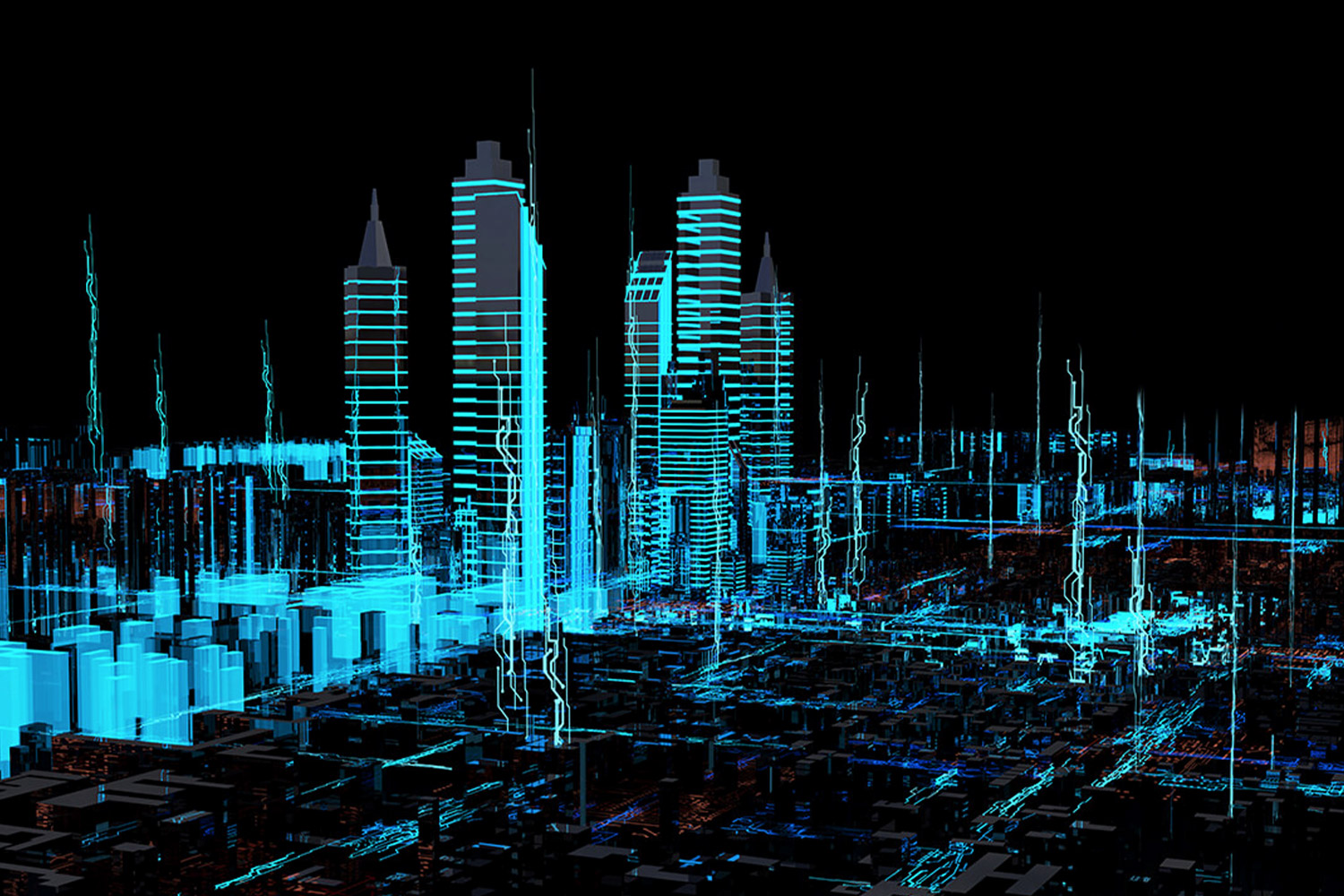
This technology enables governments and researchers to:
Visualize environmental and infrastructure changes.
Test sustainable policies before real-world implementation.
Improve climate resilience and reduce carbon emissions.
Climate Modeling: Digital twins enable researchers to simulate and predict changes in weather patterns, air quality, and carbon emissions in real time. These insights help governments design effective climate policies and monitor the impact of environmental programs.
Sustainable City Planning: Urban planners use digital twins to test green policies, optimize building layouts, and create energy-efficient transport systems before implementing them in the real world. This reduces costs and environmental risks.
Disaster Management: By modeling floods, storms, and heatwaves, digital twins help authorities prepare and respond faster, minimizing damage and ensuring public safety.
Resource Optimization: Digital twins support better use of resources by tracking energy, water, and waste systems. This allows cities to identify inefficiencies, cut costs, and promote sustainable living practices.