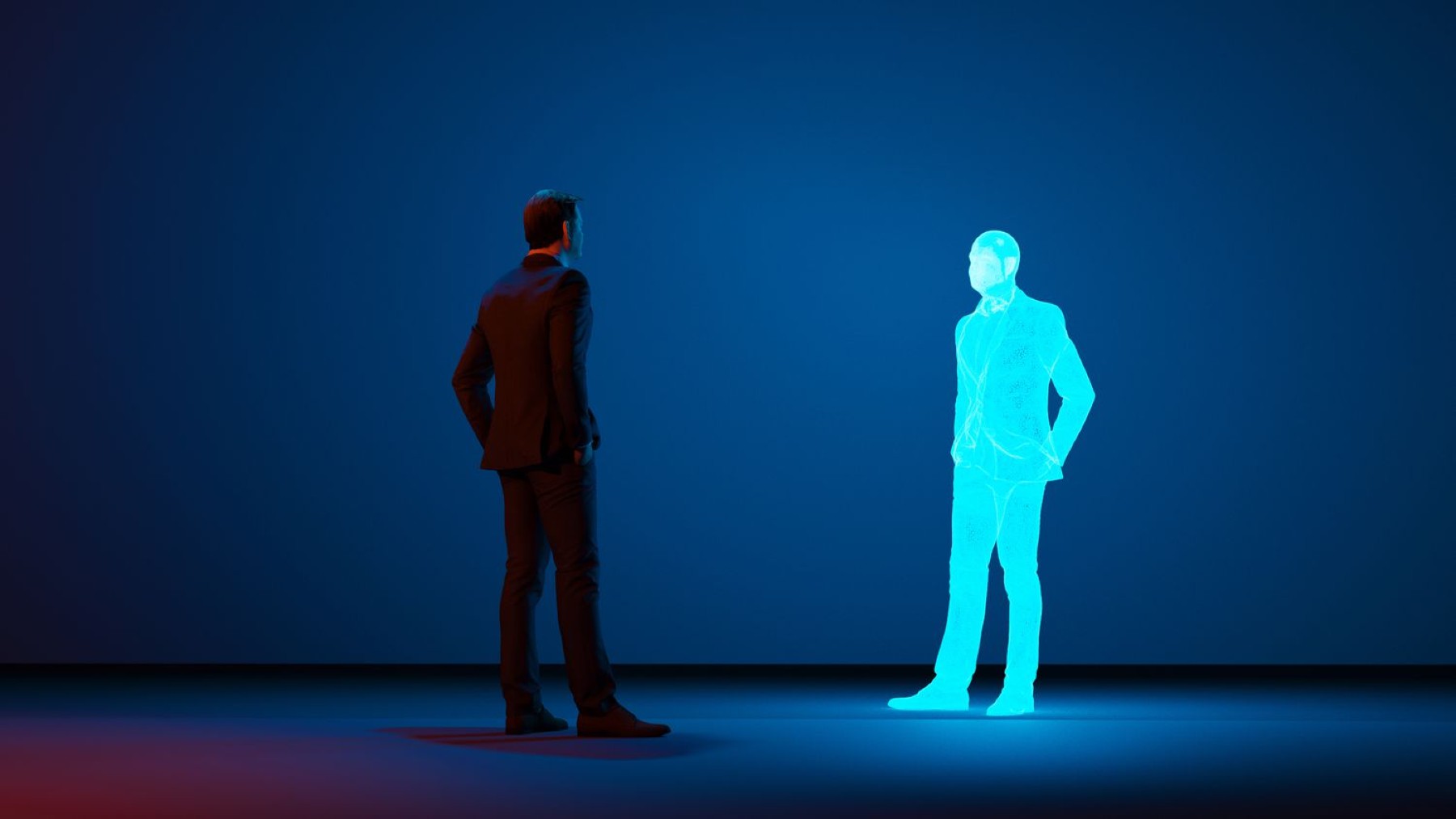
Personal Digital Twin (Self)

Case Study

Inroduction

A Personal Digital Twin (PDT) is a virtual representation of an individual that integrates real-time data from wearable devices, health apps, and digital records to simulate one’s physical, emotional, and behavioral state. Just as industries use digital twins to monitor machines or cities, a personal digital twin mirrors a person’s body, habits, and environment to provide insights about health, performance, and lifestyle.
This concept blends artificial intelligence (AI), the Internet of Things (IoT), and data analytics to help individuals make better decisions about their well-being, productivity, and long-term goals.

Background and Context of Personal Digital Twin (Self)

The rise of wearable technology, such as smartwatches and fitness trackers, has led to an explosion of personal health data. However, most of this data remains underutilized. A Personal Digital Twin bridges that gap by collecting, integrating, and analyzing this data to create a dynamic model of an individual.
It continuously updates based on new information, like heart rate, sleep quality, stress levels, and nutrition to offer a complete picture of a person’s health and behavior. This model can also simulate “what-if” scenarios, predicting how lifestyle changes (like diet, exercise, or sleep patterns) might affect future outcomes.
Case Example: Philips HealthSuite Digital Twin Platform

Philips, a global health technology company, has been developing digital twin models for personalized healthcare through its HealthSuite Platform. This system creates digital replicas of patients using data from medical devices, hospital records, and wearable sensors.

  • Provide accurate, real-time health monitoring and prediction.

  • Offer personalized recommendations for treatment, diet, and activity.

  • Support doctors in making data-driven medical decisions.

  • Integration of wearable and clinical data into one secure platform.

  • Use of AI algorithms to detect early signs of diseases.

  • Personalized simulation models for predicting health outcomes.

Applications of Personal Digital Twins

  • Healthcare and Medicine: Predicts illnesses, monitors chronic diseases, and customizes treatment plans.

  • Fitness and Lifestyle: Tracks physical activity, diet, and mental health for better personal performance.

  • Workplace Productivity: Monitors stress, focus, and fatigue to improve employee well-being and efficiency.

  • Mental Health Support: Detects emotional patterns and recommends relaxation or therapy practices.

  • Aging and Longevity Research: Models the long-term effects of habits to promote healthy aging.

Benefits and Impact

  • Enables personalized healthcare, tailored to an individual’s specific needs.

  • Encourages proactive wellness management rather than reactive treatment.

  • Helps doctors and patients collaborate more effectively through shared data.

  • Promotes self-awareness, allowing users to understand how habits influence their well-being.

  • Supports data-driven decision-making in fitness, nutrition, and mental health.

Future Scope

The future of Personal Digital Twins lies in deeper integration with AI, genomics, and neural networks to create more precise, real-time models of human health. Soon, PDTs could predict diseases years before symptoms appear or customize diets based on DNA analysis.
In workplaces, digital twins could support mental health by detecting burnout early. For healthcare systems, they could revolutionize preventive care, reducing costs and saving lives. As technology evolves, personal digital twins will become essential tools for achieving personalized, predictive, and preventive healthcare — leading toward a truly digital version of self-awareness.