

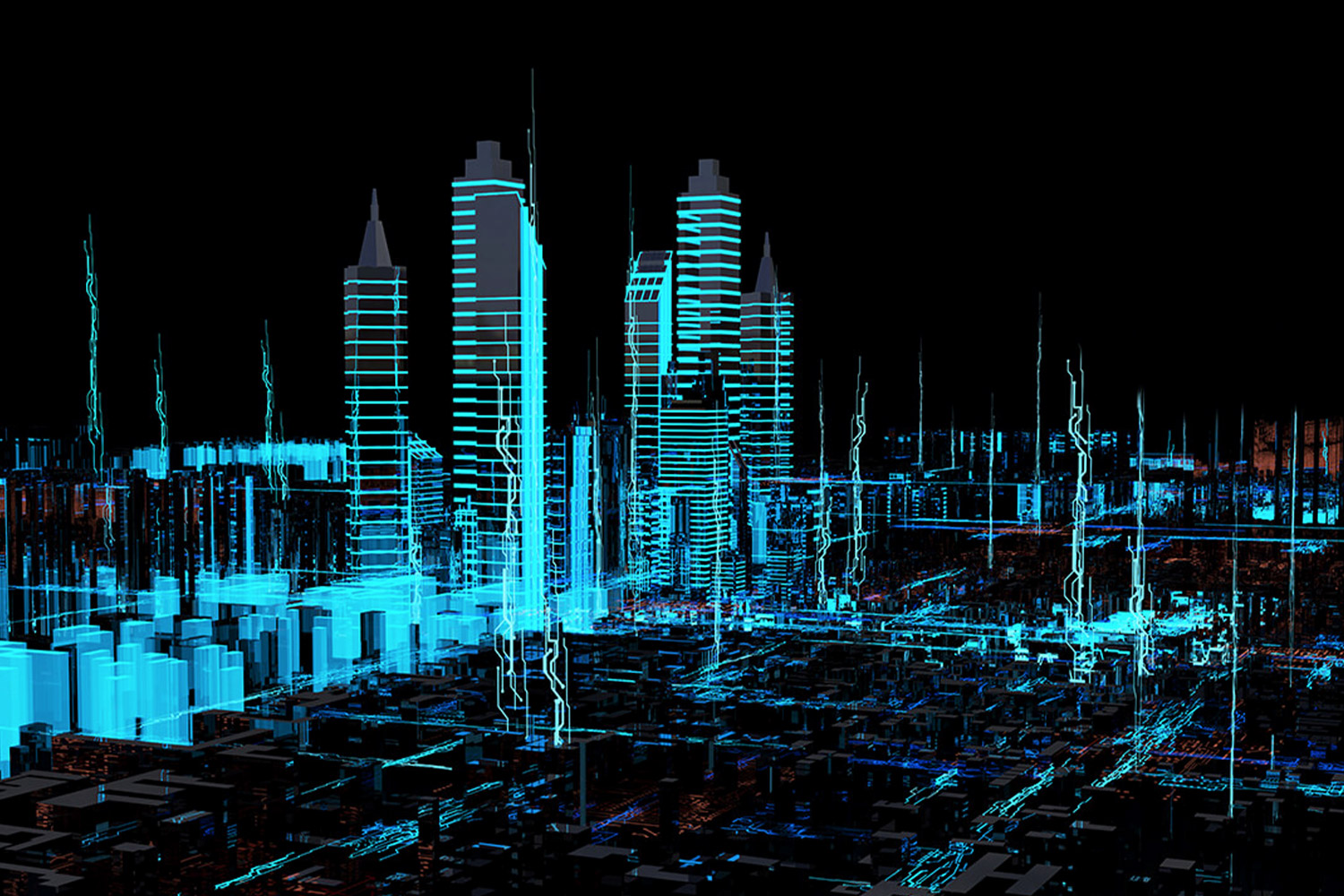
Digital Twin for Climate, Cities, and Environment

Case Study

Inroduction

A Digital Twin is a virtual model that mirrors real-world systems, helping experts analyze, monitor, and improve physical environments. In the fields of climate science, urban development, and environmental protection, digital twins are revolutionizing how we understand and manage complex systems.
By integrating real-time data from satellites, sensors, and IoT devices, digital twins allow planners and scientists to simulate how policies, climate change, or new technologies will affect the world around us.

Background and Context of Digital Twin Technology

Urbanization, population growth, and climate change are placing increasing pressure on our cities and ecosystems. Traditional planning methods are often too static or limited in scope. A digital twin provides a dynamic and interactive solution — it combines data analytics, artificial intelligence (AI), and machine learning to build living models of cities, forests, oceans, or entire regions.

This technology enables governments and researchers to:

  • Visualize environmental and infrastructure changes.

  • Test sustainable policies before real-world implementation.

  • Improve climate resilience and reduce carbon emissions.

Case Example: Virtual Singapore

The main objective of Virtual Singapore is to use digital twin technology for smarter, sustainable urban development. By creating a detailed 3D model of the entire city, planners can analyze how building designs, transportation systems, and green spaces affect energy use and air temperature. This helps the government develop eco-friendly policies, reduce emissions, and design infrastructure that supports a healthier, more resilient environment for both residents and the ecosystem.
Virtual Singapore integrates real-time data from sensors, IoT devices, and maps to simulate real-world conditions like heat, flooding, or pollution. This allows planners to test environmental solutions before implementation. The project improved solar energy planning, reduced urban heat through tree planting, and enhanced coordination between agencies. Citizens also benefit through increased public participation, as they can visualize future city projects and understand their environmental impact more clearly.

Applications of Digital Twin Technology

Climate Modeling: Digital twins enable researchers to simulate and predict changes in weather patterns, air quality, and carbon emissions in real time. These insights help governments design effective climate policies and monitor the impact of environmental programs.

Sustainable City Planning: Urban planners use digital twins to test green policies, optimize building layouts, and create energy-efficient transport systems before implementing them in the real world. This reduces costs and environmental risks.

Disaster Management: By modeling floods, storms, and heatwaves, digital twins help authorities prepare and respond faster, minimizing damage and ensuring public safety.

Resource Optimization: Digital twins support better use of resources by tracking energy, water, and waste systems. This allows cities to identify inefficiencies, cut costs, and promote sustainable living practices.

Benefits and Impact

Digital twin technology offers numerous benefits for cities, the environment, and policymakers. It promotes data-driven decision-making, enabling governments to base plans and investments on accurate, real-time insights. By simulating environmental and urban conditions, it enhances sustainability and helps reduce the ecological footprint of new developments.
Digital twins also support innovation in architecture, transport, and energy management by allowing designers to test and refine ideas before real-world application. Moreover, they help build climate resilience by predicting future environmental challenges such as heatwaves, floods, or pollution surges. Through continuous monitoring and forecasting, cities can act proactively instead of reactively. Ultimately, digital twins improve efficiency, safety, and quality of life, creating smarter, greener, and more sustainable urban environments for future generations.

Future Scope

The future of digital twin technology in climate and urban management is highly promising. As data collection through IoT devices, satellites, and AI continues to advance, digital twins will become even more accurate and interactive. In the coming years, cities may develop nationwide interconnected digital twins, allowing for real-time collaboration between regions to manage shared environmental challenges.
Emerging technologies like machine learning, 5G connectivity, and augmented reality will further enhance digital twin capabilities, enabling real-time visualization of climate risks and infrastructure performance. These innovations will support predictive urban planning, where problems are identified and solved before they occur. With global focus shifting toward sustainability and smart governance, digital twins will play a key role in building resilient, adaptive, and eco-friendly cities of the future.